Caustic Soda: Flakes vs Lye vs Prills - Which Form for Your Application
The three commercial forms of sodium hydroxide differ in purity, handling, and cost-in-use. A practical guide to choosing the right caustic soda form for textiles, soap, water treatment, and pharma.
Caustic soda (sodium hydroxide, NaOH) is the backbone alkali of the chemical industry, but it ships in three distinct forms. Choosing the right one is a question of purity needs, handling capability, and total cost-in-use - not just headline price per tonne.
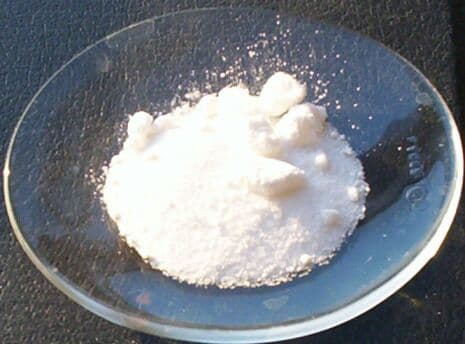
Flakes (98.5% min)
Solid flakes are the most traded form for export. At 98.5% purity they suit textile mercerizing, soap and detergent, alumina refining, and general manufacturing. They are easy to bag (25/50 kg) and palletise, and tolerate long ocean transit well. For most buyers without bulk-liquid handling, flakes are the default.
Lye / Liquid (47–50%)
Caustic soda lye is a ready-to-dose liquid favoured by plants with continuous processes - paper mills, large water-treatment works, and chemical synthesis. It removes the dissolving step but requires ISO-tank or flexitank handling and heated storage in cold climates. Best where consumption is high and steady.
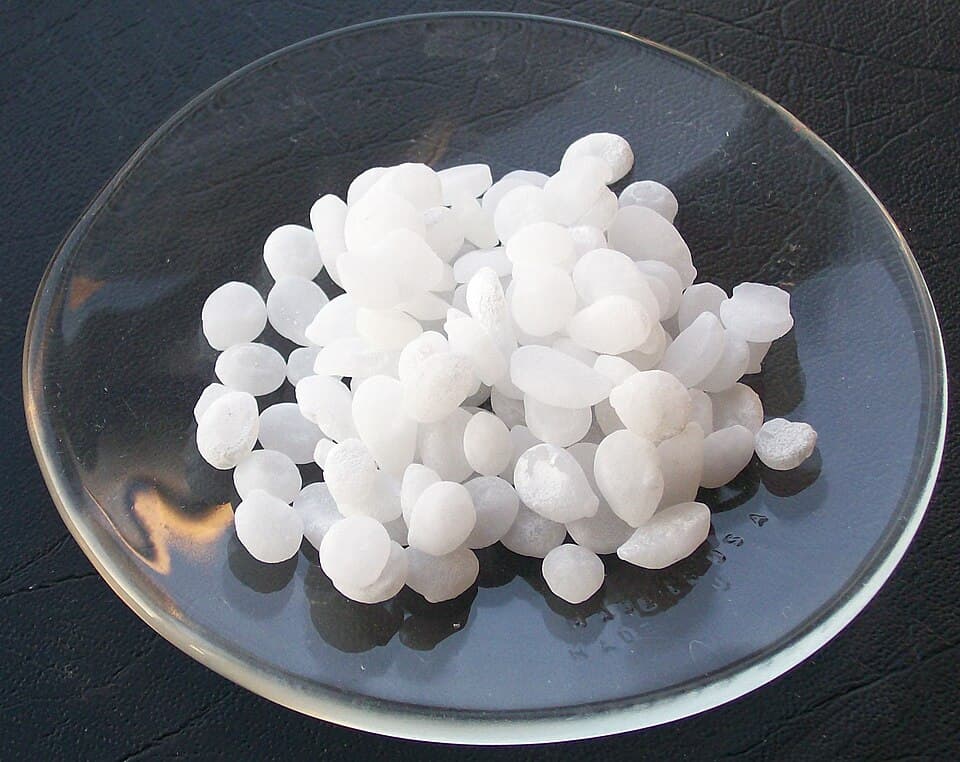
Prills / Pearl (99.4% min)
Prills are higher-purity, low-moisture beads used where contamination matters - pharmaceutical synthesis, specialty soaps, and food-grade applications. They cost more per tonne but reduce downstream purification. Specify prills only when your spec genuinely needs the extra purity.
Need a quote for these chemicals?
CIF/FOB pricing within 48 hours, full documentation included.
Request a Quote