PAC vs Alum: Choosing the Right Coagulant for Water Treatment
Poly Aluminium Chloride and aluminium sulphate both clarify water - but they behave differently on pH, dose, sludge, and cold-water performance. How to choose for municipal and industrial plants.
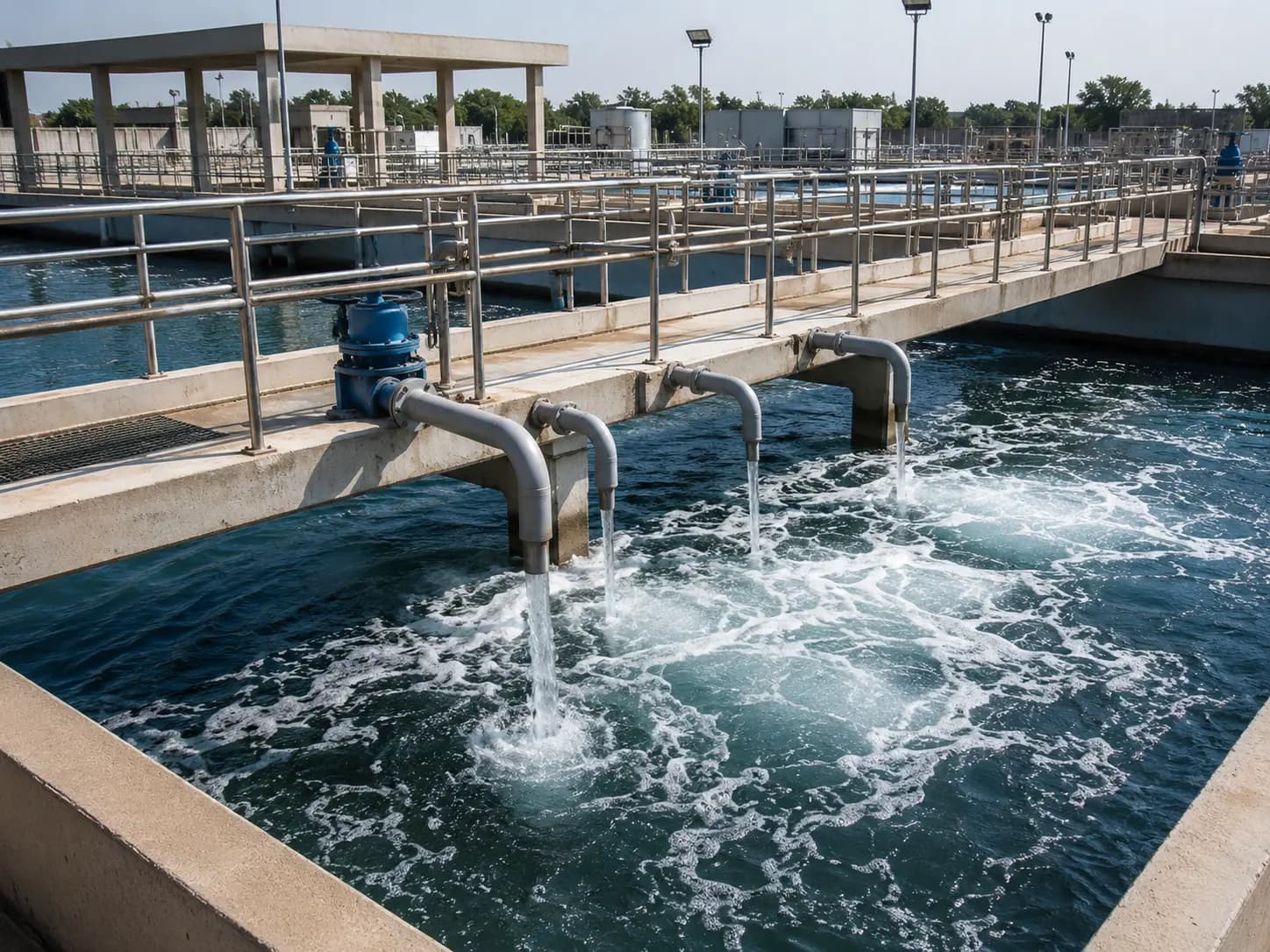
Coagulation is the first chemical step in clarifying turbid water, and the two dominant coagulants - Poly Aluminium Chloride (PAC) and aluminium sulphate (alum) - are not interchangeable. The right choice affects dose rate, pH correction, sludge volume, and performance in cold or low-alkalinity water.
Poly Aluminium Chloride (PAC)
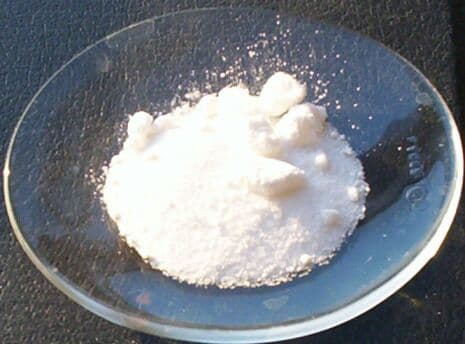
PAC is a pre-hydrolysed coagulant that works across a wider pH band, requires lower doses, and produces less sludge than alum. It performs notably better in cold water and low-turbidity conditions, which is why modern municipal plants increasingly standardise on PAC. It ships as liquid (10–18% Al₂O₃) or powder (28–30%).
Aluminium Sulphate (Alum)
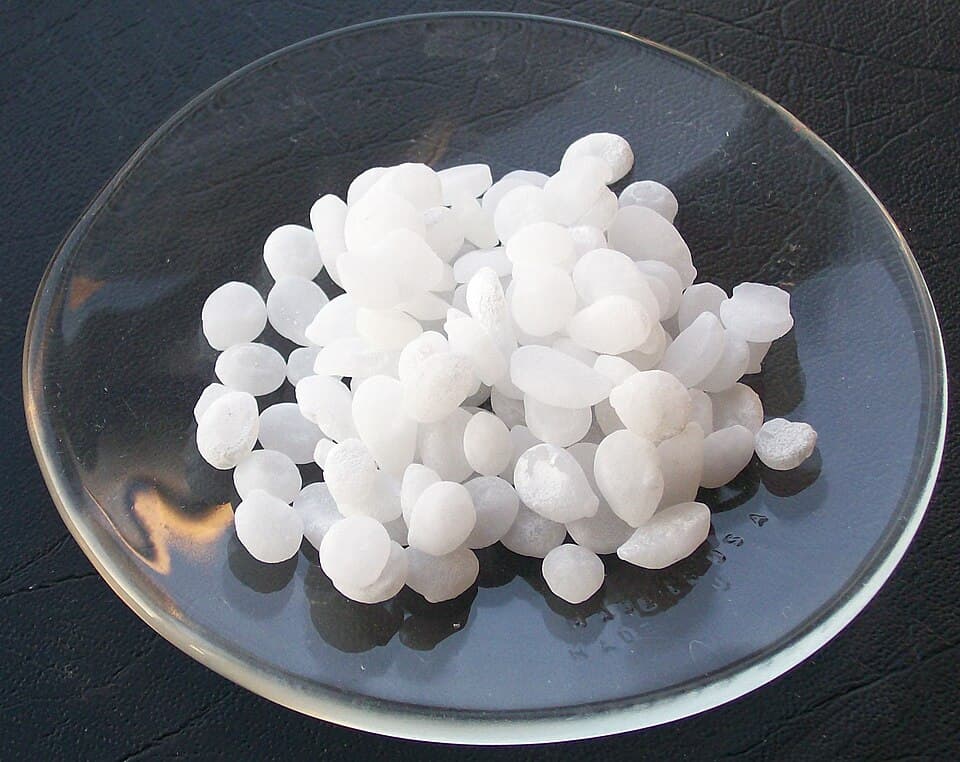
Alum remains the cost-effective workhorse for higher-turbidity raw water where its larger dose is offset by lower price per tonne. It consumes more alkalinity and can require pH correction, and it generates more sludge - but for many plants it is still the economical choice.
The practical decision
If you are dosing cold or low-turbidity water, fighting sludge handling costs, or want a wider operating window, PAC usually wins on total cost-in-use despite a higher per-tonne price. For high-turbidity surface water on a tight budget, alum holds its ground. Jaydev Multicomm supplies both with batch COAs, CIF to East Africa, GCC, and SE Asia.
Need a quote for these chemicals?
CIF/FOB pricing within 48 hours, full documentation included.
Request a Quote